How Pest Control Services Help Maintain Business Reputation

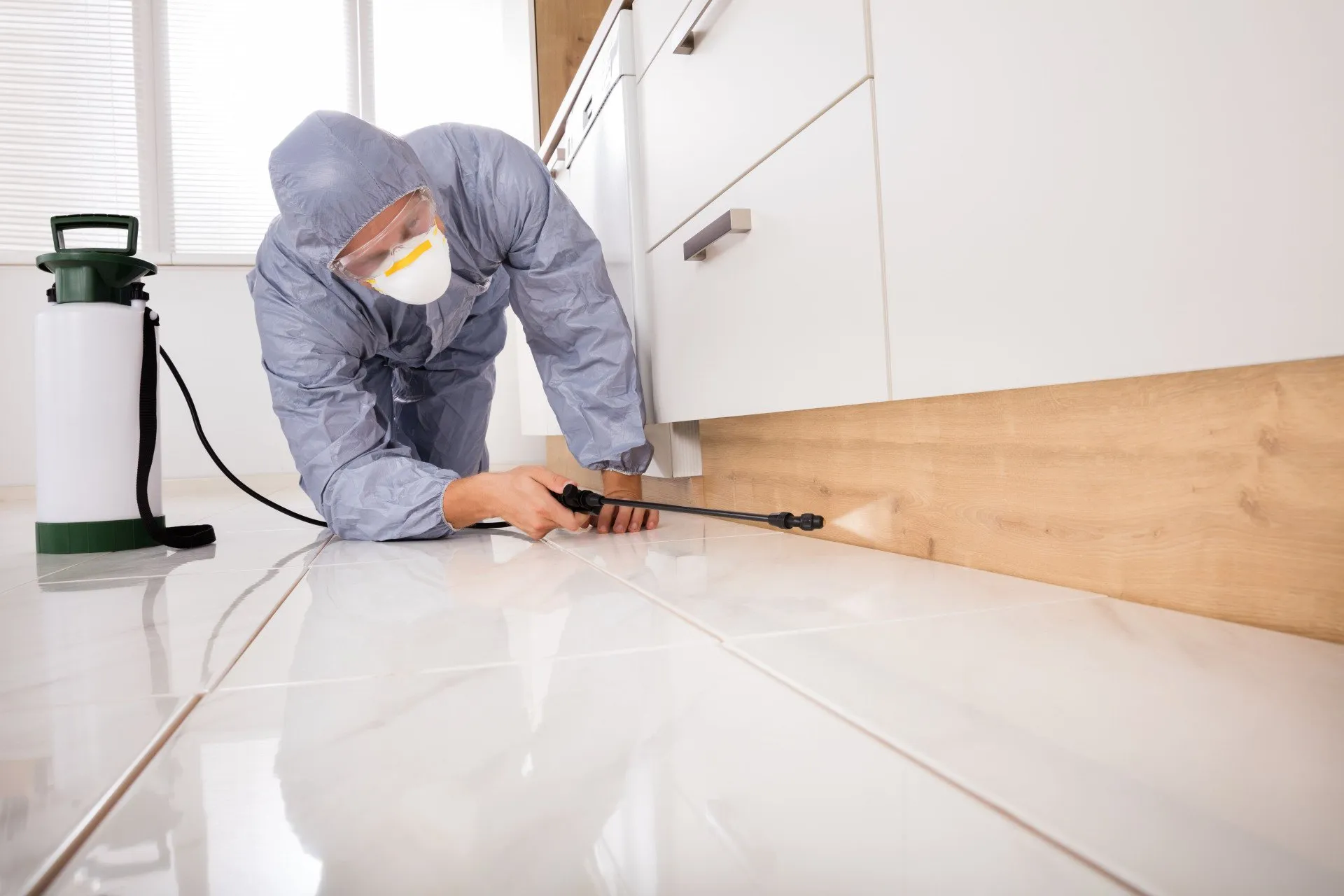

A business can survive a slow quarter, a delayed shipment, or even a bad online review if it responds well. What it struggles to survive is a preventable problem that makes customers question basic standards. Pest activity falls squarely into that category. Few issues damage trust faster than the sight of a cockroach near a checkout counter, a mouse in a stockroom, or ants trailing across a reception area. People may forgive a late order. They rarely forgive signs of infestation.
That is why Pest Control Services matter far beyond sanitation. They protect reputation, preserve customer confidence, support compliance, and reduce the kind of operational disruption that spills into public view. In practical terms, they help a business avoid the moments that customers talk about, photograph, post, and remember.
The reputational side of pest control often gets underestimated because owners tend to think of it as a maintenance line item. In reality, it is part of brand protection. The clean, reliable image a company works to build through marketing, staff training, interior design, and customer service can be undermined by a single pest sighting. Years of careful positioning can be dented in one afternoon.
Reputation is built in small moments, and so is damage
Customers do not evaluate a business only by its products or prices. They notice details. They read signals. A spotless dining table, a clean restroom, a fresh-smelling lobby, and neatly stored inventory all suggest discipline and care. Pest activity sends the opposite message.
When people spot a rodent or insect on the premises, they do not stop to ask whether it came in that morning through a loading dock or whether weather conditions pushed pests indoors. They make a broader judgment. If this is visible, what else is happening behind the scenes? Are food handling standards weak? Is inventory compromised? Are staff cutting corners? Is management inattentive?
That mental leap is what makes pest control such a reputational issue. Customers generalize from one incident to the entire operation.
This effect is especially strong in businesses where hygiene and quality are central to the customer experience. Restaurants, cafes, bakeries, hotels, clinics, grocery stores, day care centers, warehouses, property management firms, and retail spaces all face scrutiny, though for slightly different reasons. In food service, pests suggest contamination risk. In hospitality, they suggest discomfort and poor housekeeping. In health care or child care, they trigger concerns about safety and competence. In offices and retail, they signal neglect.
Even in sectors that do not deal directly with food or vulnerable populations, perception still matters. A law office with fruit flies in the lobby or a boutique with moth-damaged merchandise does not inspire confidence. Clients notice more than owners sometimes expect.
One sighting can travel faster than your response
Reputation used to spread mostly by word of mouth. Now it spreads through phones. Customers document everything. A brief video of a mouse under a shelf can reach hundreds or thousands of local viewers before the manager has even called maintenance. Reviews on Google, Yelp, Tripadvisor, Facebook, and neighborhood apps often mention pest issues with unusually strong language. People feel disgust, and disgust is memorable.
The difficulty is not only that a negative post appears. It is that pest-related complaints sound credible to readers. A stranger might discount a vague comment about rude staff or high prices. A photo of a cockroach is harder to argue with.
Once that content is public, the business has to fight on several fronts at once. It must solve the physical problem, reassure current customers, calm staff, and manage online perception. That is a far more expensive process than routine prevention. Professional Pest Control Services reduce the odds of a public incident and give businesses a documented system to point to if questions arise.
I have seen this play out in operations that were otherwise well run. A busy independent restaurant can spend years earning loyal regulars, then lose momentum because two customers posted separate photos of flies around a pastry display during a humid week in late summer. Technically, the issue may have been localized and temporary. Publicly, it became part of the restaurant’s identity for months.
Prevention protects more than premises
Many owners think of pest control in reactive terms. They call when they hear scratching in the ceiling, see droppings by a dumpster, or start finding damaged packaging in storage. By that stage, reputation is already at risk. The smarter approach is preventive.
Professional providers do more than place traps or spray baseboards. Good Pest Control Services inspect entry points, identify conducive conditions, track pest pressure over time, advise on sanitation and storage, coordinate with maintenance teams, and adapt treatment to the specific business environment. The goal is not simply to kill pests that are present. It is to make the facility less attractive and less accessible in the first place.
That distinction matters. A building with recurring gaps under rear doors, cluttered stock rotation, standing water near drains, and overflowing exterior waste bins will keep inviting problems no matter how often someone applies a treatment. Pest control works best as an ongoing management process, not a one-time fix.
Businesses that understand this tend to preserve their reputation better because they address root causes before customers ever see evidence of a problem.
Industries where the stakes are especially high
Food businesses sit at the top of the risk list for obvious reasons. One sighting can trigger customer complaints, poor inspection outcomes, product loss, and immediate social media attention. In a restaurant, even small pests create outsized concern because diners connect them to food safety. A single fruit fly near a bar may be more nuisance than hazard, but customers do not usually distinguish. They see lack of control.
Hotels face a different kind of reputational sensitivity. Guests expect comfort, sleep, and cleanliness. Bed bugs, cockroaches, and rodents do more than inconvenience people. They create emotional backlash. Guests remember the stress, the disrupted sleep, the need to inspect luggage at home. They tell friends. They leave detailed reviews. Many travelers will never rebook after one bad incident, regardless of how pleasant the rest of the stay was.
Retailers often underestimate pest risk because there is no kitchen in the customer-facing area. Yet stockrooms, fitting rooms, break areas, and receiving docks can attract rodents and insects, especially in older buildings or shopping centers with shared walls. In apparel, pests can damage fabrics and packaging. In pet stores or specialty food retail, the risk expands quickly if bulk goods are not stored well.
Healthcare settings, pharmacies, and care facilities operate under even tighter expectations. Here, pest activity can erode trust among patients, families, and regulators. The issue is not merely appearance. It raises questions about infection control, environmental management, and leadership oversight.
Property managers and landlords face a reputation challenge that unfolds across multiple audiences at once. Tenants may post photos publicly, prospective renters may see online complaints, and local authorities may become involved if problems go unresolved. In multi-unit housing, one untreated source can affect neighboring units, making fast, coordinated response essential.
What customers assume when they notice pests
Businesses sometimes focus narrowly on the pest itself. Customers focus on what it implies. Their thought process usually follows a predictable pattern.
- Cleanliness must be poor.
- Management probably knows and has not fixed it.
- Products or food may be unsafe.
- If this is visible, hidden issues may be worse.
- I should warn other people.
That chain of assumptions may not always be fair, but it is real. Reputation management starts with accepting how people interpret what they see. Professional Pest Control Services help interrupt that chain before it begins.
The cost of reputation damage is rarely limited to lost sales
When owners calculate pest control budgets, they often compare service fees to the direct cost of treatment or product loss. That misses the larger picture. Reputation damage creates secondary costs that can dwarf the service contract.
Negative reviews reduce conversion rates. Prospective customers researching a business often scan the lowest ratings first, especially for restaurants, hotels, and local services. One pest-related comment can have more influence than ten positive reviews because readers treat it as a warning signal.
Staff morale can dip as well. Employees do not like working in a space where customers complain, where they feel embarrassed, or where they worry about what they might encounter during opening or closing procedures. High turnover can follow, especially in hospitality and retail.
There is also the cost of interruption. If an infestation becomes significant, portions of the business may need to close temporarily for treatment, cleaning, or repairs. That affects revenue, scheduling, and customer confidence. Depending on the sector, inventory may need to be discarded. Packaging can be compromised. Linen, paper goods, or dry storage products may need replacement.
For regulated businesses, poor inspection results or formal complaints can add another layer of visibility. Even when a business corrects the issue quickly, the record may remain accessible to the public.
Routine Pest Control Services are far less expensive than reputational recovery campaigns, emergency remediation, or months of explaining away online complaints.
Why professional service works better than occasional DIY efforts
Business owners are often practical people. They fix what they can, and some are tempted to handle pest issues with retail products or ad hoc maintenance. That approach may work for a minor household nuisance. It is usually inadequate in a commercial setting.
Commercial environments are more complex. They have loading docks, drains, ceiling voids, landscaping interfaces, tenant neighbors, changing inventory patterns, and steady foot traffic. They also have higher stakes if treatment goes wrong or if the issue persists. A technician who understands pest behavior can identify where activity starts, how pests move, and which control measures fit the business type.
There is also the matter of discretion and documentation. Reputable Pest Control Services keep service records, note trends, identify hot spots, and provide recommendations that managers can act on. That documentation matters during audits, inspections, insurance discussions, and internal reviews. It shows that the business is not ignoring the issue. It is managing it systematically.
A good provider also knows when not to over-treat. https://franciscojewv532.capitaljays.com/posts/protecting-your-investment-with-professional-pest-control-services Heavy chemical use in the wrong environment can create its own problems. Experienced technicians balance safety, efficacy, and operational realities. In a food production area, for example, treatment choices and timing have to align with sanitation procedures and facility rules. In a hotel, privacy and guest experience shape how and when rooms are inspected. In an office, discreet monitoring may be more appropriate than visibly aggressive action unless the issue escalates.
Reputation improves when pest control is integrated into operations
The strongest results come when pest control is not siloed. It should connect with housekeeping, facilities management, receiving procedures, waste handling, landscaping, and staff training.
A restaurant that rotates stock correctly but ignores a broken rear door sweep is still vulnerable. A retail store that keeps the sales floor spotless but lets cardboard pile up in the stockroom is creating shelter. An apartment building that treats units without fixing leaks in common areas will see repeat activity. Pest control succeeds when operations support it.
This is where management judgment matters. The provider can identify risk factors, but the business has to act on them. If technicians repeatedly note bird feed near an entrance, standing water by HVAC lines, gaps around utility penetrations, or poor dumpster maintenance, those issues need resolution. Otherwise the service relationship turns into endless symptom management.
The businesses with the best reputations tend to treat pest prevention as part of daily discipline. They do not wait for a crisis. They train staff to report sightings immediately, keep storage organized, inspect deliveries, maintain seals and screens, and respond to technician recommendations without delay.
The role of staff behavior in protecting public perception
Employees are the first line of observation. They open the building early, clean at close, unpack deliveries, and notice subtle changes before customers do. Yet many teams receive little guidance on what to watch for or how to escalate concerns.
A simple reporting culture makes a measurable difference. Staff should know that one sighting matters, droppings matter, gnaw marks matter, unusual odors matter, and recurring insect activity near drains or windows matters. They should also know whom to tell and how quickly the information needs to move.
Training does not need to be elaborate, but it should be specific. When staff understand that a small issue can become a public-facing problem, they are more likely to take it seriously.
Just as important, employees should never improvise in ways that make a situation worse. Spraying random products near food prep areas, moving contaminated goods without containment, or discussing an active issue casually in front of guests can create unnecessary risk. Professional Pest Control Services provide a framework that helps teams respond consistently and discreetly.
Warning signs businesses should not ignore
Some reputation problems begin with obvious sightings. Others begin with subtler evidence that gets overlooked until customers notice first.
- Droppings, shed skins, grease marks, or gnawing around storage areas
- Frequent insect activity near drains, windows, or light fixtures
- Damaged packaging, especially in dry goods or paper stock
- Musty odors, nesting material, or scratching sounds in walls or ceilings
- Complaints from staff or tenants that seem minor but recur
By the time visible pests appear in customer spaces, they have often been active elsewhere for some time. Early attention is what prevents the reputational moment.
Inspections and service records help defend trust
If a customer raises a concern, a business is in a stronger position when it can honestly say that it follows a documented pest management program. That does not mean sounding defensive. It means being prepared.
Service logs, inspection reports, corrective action notes, and follow-up schedules show seriousness. They can reassure franchisors, landlords, insurers, and regulators. They also help managers identify patterns over time. Maybe activity spikes every rainy season near one loading area. Maybe a shared wall with another tenant creates repeated pressure. Maybe a waste enclosure needs redesign rather than repeated treatment. Records turn isolated incidents into actionable information.
From a reputation standpoint, documentation supports credibility. Customers may never see those records, but inspectors, business partners, and internal stakeholders may. When trouble appears, the businesses that recover fastest are usually the ones that can demonstrate consistent oversight rather than frantic reaction.
Choosing a provider with reputation in mind
Not all service providers operate at the same level. Price matters, but cheap service can become expensive if it misses the root problem or responds slowly during a sensitive incident.
A strong commercial provider typically offers several qualities that directly affect reputation. It communicates clearly, arrives consistently, documents findings, understands the regulatory environment of the industry, and makes practical recommendations the business can implement. It also treats urgency appropriately. Seeing one ant near a back door is not the same as a rodent sighting in a dining area an hour before service begins. Good providers know the difference.
It is also worth asking how the company handles discretion. Uniformed visits are standard, but some businesses prefer certain timings to reduce customer attention. Others need after-hours service. Some multi-site operators want centralized reporting. The provider’s flexibility can shape how smoothly pest management fits into normal operations, which in turn influences public perception.
Recovery is possible, but prevention is easier
Businesses can recover from pest incidents, but recovery takes work. It requires honesty, quick action, visible cleaning, facility corrections, and often a period of proving that standards are back under control. Depending on the severity, the process may involve replacing damaged goods, deep cleaning, increasing inspection frequency, retraining staff, and responding carefully to reviews.
The challenge is that customers rarely watch the cleanup with the same attention they gave the original incident. The photo of the problem spreads faster than the story of the fix. That is why prevention carries such a strong return. A well-run pest management program keeps the issue private by keeping it minor, contained, or absent.
This is one of those operational areas where success is almost invisible. No one leaves a five-star review because they did not see a rodent in the stockroom. Yet that invisible success supports every visible part of the brand. It allows the menu, the service, the merchandise, the atmosphere, and the customer experience to stand on their own.
Business reputation is fragile because it rests on trust, and trust depends on details people can observe. Pest activity undermines that trust quickly and emotionally. Professional Pest Control Services help preserve it by reducing risk before it turns into a customer story. They protect physical spaces, yes, but more importantly, they protect the confidence that keeps people coming back, recommending the business to others, and believing that standards are as high behind the scenes as they appear from the front door.
Affordable Pest Solutions LLC
Phone number: +19732299547
FAQ About Pest Control Services
How much does pest control charge?
For a standard 1,500-square-foot home, professional pest control charges generally average $100 to $300 for an initial visit, with ongoing monthly services running $40 to $75 per visit and one-time emergency exterminations costing $100 to $600, depending heavily on the specific pest and the severity of the infestation.
What is the hardest pest to get rid of?
Bed bugs are widely considered the hardest household pest to get rid of, closely followed by German cockroaches and subterranean termites.
What is included in a pest control service?
A standard pest control service includes a property inspection, targeted treatments, and prevention advice. It typically covers common pests like ants, spiders, and cockroaches, using sprays, baits, or traps.