Commercial Pest Control Services for Clean and Compliant Businesses
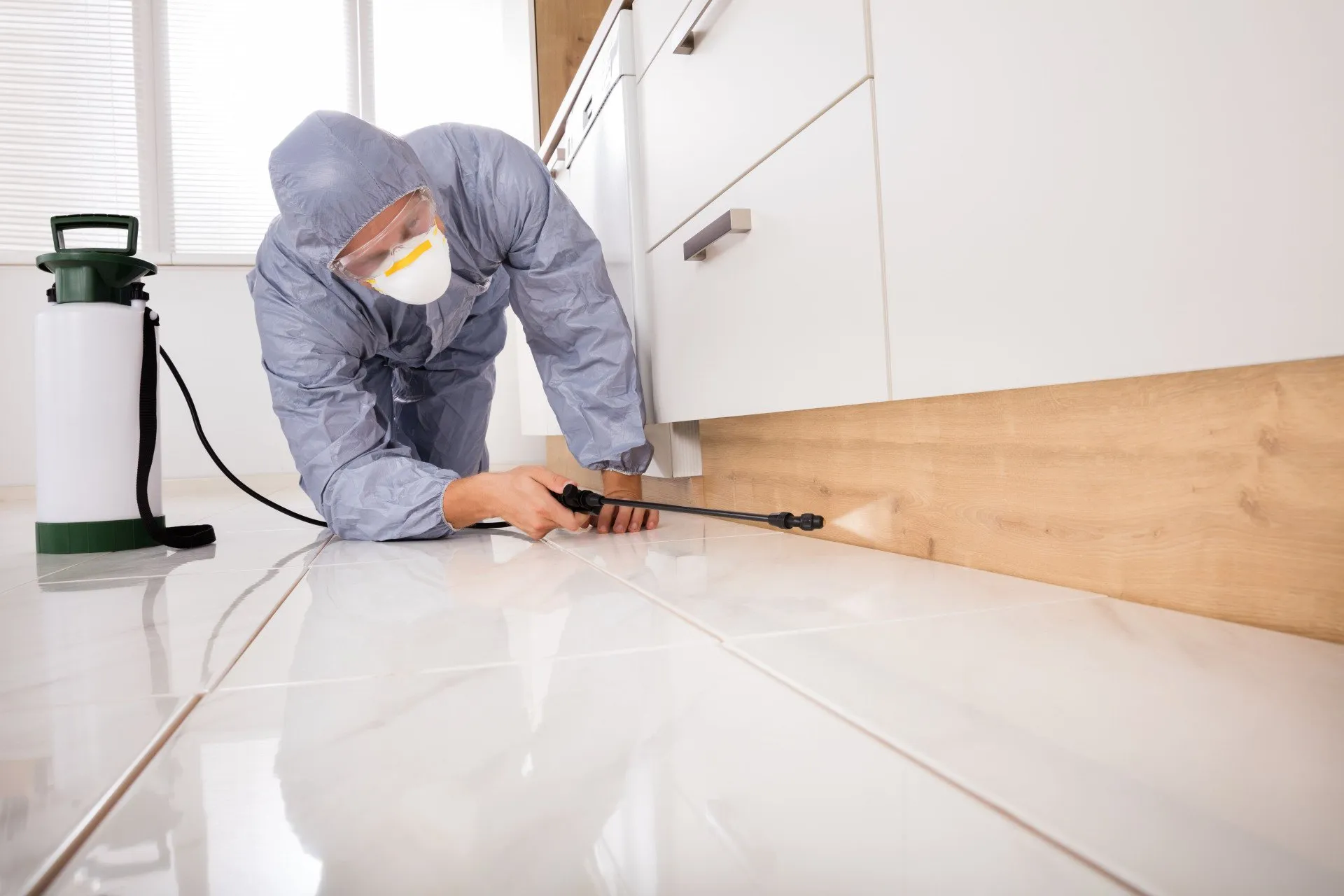
Clean premises do more than create a good impression. In commercial settings, they protect revenue, preserve reputation, support employee morale, and help businesses meet sanitation and safety standards that can be surprisingly strict. A single pest sighting in a restaurant, warehouse, clinic, or office can trigger customer complaints, failed inspections, damaged stock, and a flood of avoidable internal disruption.
That is why commercial Pest Control Services occupy a different category from residential work. The stakes are higher, the environment is more complex, and the margin for error is much smaller. In a home, a delayed treatment may be inconvenient. In a business, it can become a compliance issue, a contract issue, or a public relations problem in a matter of hours.
The businesses that manage pests best tend to think beyond spray treatments. They build pest management into daily operations, site maintenance, sanitation procedures, vendor oversight, and risk planning. That practical, preventive mindset usually delivers better outcomes than reactive service calls after an infestation is already visible.
Why commercial properties attract pests so easily
Commercial buildings create ideal conditions for pests, often without anyone realizing it. Food residue under equipment, standing water near floor drains, cardboard storage in back rooms, loading bays left open during deliveries, dense shelving, ceiling voids, and utility penetrations all create shelter and access. Add high traffic, multiple vendors, frequent waste movement, and inconsistent cleaning standards across shifts, and the risk goes up quickly.
Different industries have different pressure points. Food businesses deal with crumbs, grease, drains, and warm equipment. Warehouses offer nesting space, pallets, packaging, and long undisturbed storage periods. Offices may seem lower risk, but breakrooms, vending areas, waste bins, and infrequently serviced utility rooms can support ants, cockroaches, rodents, and flies. Healthcare and education facilities face the additional challenge of high occupancy and zero tolerance for visible pest activity in sensitive areas.
Seasonality matters too. In colder months, rodents look for warmth and shelter indoors. During warmer periods, flies, ants, and stored product pests become more active. Rainfall can drive pests from exterior harborage into buildings, while drought can push them indoors in search of water. A competent provider does not treat every season the same way because pest pressure rarely behaves that neatly.
Compliance is not a side issue
For many commercial operators, pest control is inseparable from compliance. Health departments, food safety schemes, landlord requirements, insurance expectations, and customer audits all place pressure on businesses to demonstrate control measures, not just good intentions.
In food production and food service, for example, inspectors do not only care whether pests are present. They also look at the conditions that allow pests to thrive and the documentation showing how risks are monitored and affordable pest control services corrected. Sightings, trap activity, sanitation issues, exclusion gaps, and trend reports all matter. If a site cannot produce service records or explain corrective actions, the problem becomes procedural as well as sanitary.
The same principle shows up in other sectors. Property managers need clean common areas and tenant protection. Healthcare sites need treatments and materials appropriate for sensitive environments. Hotels need discreet handling because guest perception can swing fast and hard. Manufacturers often need site mapping, traceable reporting, and clear proof that pest management aligns with broader quality systems.
This is where professional Pest Control Services earn their keep. The value is not limited to killing pests. It also includes inspection discipline, documentation, recommendations, and a consistent chain of accountability.
What professional service actually looks like on a commercial site
A credible commercial program starts with inspection, not assumptions. The technician should assess the building envelope, waste areas, drains, rooflines, loading zones, storage practices, moisture sources, and interior harborage conditions. They should ask how the business operates, where inventory sits, when cleaning occurs, how deliveries are handled, and whether there have been recurring issues in specific zones.
That site knowledge shapes the treatment plan. A café with a basement prep area needs something different from a medical office or a logistics depot. Frequency, monitoring points, treatment methods, access schedules, and reporting all need to match the real conditions on site.
A mature commercial service usually includes monitoring devices, trend analysis, exclusion recommendations, sanitation observations, and communication with management. It is less about one dramatic intervention and more about a disciplined sequence of checks and corrections. In practice, the best results often come from small improvements made consistently over time, sealing a gap under a rear door, rotating old stock sooner, repairing a leaking pipe, changing bin placement, or cleaning beneath a rarely moved unit.
There is also an operational side that good providers understand. They know service needs to happen without derailing business. They work around customers, production windows, occupancy restrictions, and safety rules. They know when discretion matters and when escalation is necessary. That practical judgment is hard to fake and easy to spot if you have ever managed a live site during an inspection cycle.
Common pests in commercial environments
Rodents remain one of the most damaging commercial pest issues because they contaminate stock, chew wiring, compromise insulation, and leave clear evidence that inspectors and customers notice immediately. Even a small rodent problem can become expensive once damaged goods, emergency callouts, and cleanup are factored in.
Cockroaches create a different kind of pressure. They spread rapidly in warm, humid environments and are especially difficult to control where clutter, drains, equipment voids, and food residue combine. Once established, they are rarely solved by surface treatment alone. Deep sanitation, crack and crevice treatment, and follow-up monitoring become essential.
Flies may seem less serious at first, but in food settings they can create instant reputational damage. One guest who sees flies around a service area may tell ten others, and one photo online can undo months of careful brand work. Stored product pests can quietly spread through dry goods and packaging in warehouses or kitchens. Ants exploit tiny entry points and moisture issues. Bed bugs, while more associated with hospitality and housing, are occasionally reported in offices, transport seating, and staff rest areas.
Each pest demands a different response. That sounds obvious, but many businesses still expect a single generic treatment to solve every problem. It rarely does.
The warning signs businesses should not ignore
Early signs often look minor, which is why they get missed. A few droppings near a rear door, a strange odor in a stock room, gnaw marks on packaging, insect activity near drains, grease marks along a wall, or repeated sightings in the same corner all deserve attention. Waiting for visible infestation usually means the problem is already established.
A few indicators consistently justify prompt action:
- Repeated sightings in the same area over several days or shifts
- Droppings, egg cases, shed skins, or nesting material in storage or service zones
- Product damage, torn packaging, or unexplained stock contamination
- Customer or staff complaints tied to a specific room, drain, bin area, or entrance
- Increased trap activity or monitoring data that shows a clear upward trend
What matters is not only the sign itself but the pattern. One isolated insect near an open loading bay may not signal a wider issue. The same sighting, every morning, near the same drain line, probably does.
Prevention usually costs less than recovery
Business owners sometimes hesitate at the cost of scheduled service, particularly if they have not had a major issue recently. That calculation changes fast when compared with the cost of reactive cleanup. Emergency treatments, product disposal, downtime, staff overtime, deep cleaning, repair work, refunded orders, negative reviews, and lost contracts can dwarf the cost of a preventive program.
I have seen sites spend weeks arguing over a monthly service fee, then approve several times that amount within a day once rodent activity affected a client audit. The irony is common. Preventive work can feel optional right up until it is urgently non-optional.
Preventive service also makes problems smaller when they do happen. No commercial property is completely immune. A neighboring unit, a seasonal surge, a drainage defect, or a contaminated delivery can introduce pests even in well-run operations. The difference is that a monitored site catches those issues faster and corrects them before they spread.
The role of sanitation, maintenance, and exclusion
Pest control fails when it is treated as a stand-alone task. The service provider may identify issues, but the site has to act on the findings. Food debris, standing water, poor stock rotation, broken seals, and overloaded waste areas create favorable conditions that no treatment program can permanently overcome.
Exclusion remains one of the most overlooked controls in commercial buildings. Small gaps around pipes, conduit, roller doors, vents, and thresholds allow persistent entry. Rodents can exploit surprisingly narrow openings, and insects need even less space. Door sweeps, mesh screens, proper sealing materials, and better loading bay discipline often deliver a stronger long-term result than repeated chemical use.
Drain hygiene deserves special attention. In restaurants, bars, food prep sites, and some manufacturing environments, drains become breeding points for flies and a reservoir for organic buildup. A site can look spotless at eye level and still support serious activity below floor level. That is one reason why experienced technicians spend time in areas many people prefer to ignore.
Maintenance teams and cleaners are part of pest control whether they realize it or not. When they understand what to look for and why it matters, the program becomes much stronger. When they are left out of the loop, the same vulnerabilities reappear month after month.
Documentation matters more than many managers expect
When inspectors, auditors, clients, or landlords ask about pest control, verbal reassurance is not enough. Records matter because they show whether a business is managing risk in a systematic way. Good documentation usually includes service dates, findings, monitoring results, locations checked, products used where applicable, corrective actions recommended, and follow-up notes.
Trend data can be particularly useful. If a provider can show that rodent activity rose near a loading dock after a damaged door seal, and then dropped after repair, that creates a defensible operational story. It shows management noticed a risk, corrected the source, and verified the result. That is the kind of evidence that supports compliance, not just treatment.
Documentation also protects internal decision-making. If the same sanitation issue is recorded on multiple service visits and not corrected, leadership has a clear basis to intervene. Without records, persistent pest issues often become a blame game between departments.
Choosing the right provider for your site
Commercial pest control is not a commodity purchase, even though many procurement teams treat it that way at first. Price matters, but service quality, communication, and industry fit matter more over time. A provider who understands your operating environment will usually save money indirectly by reducing disruptions and helping you avoid repeat issues.
When comparing providers, focus on a few practical questions:
- Do they have experience in your specific sector, such as food service, warehousing, hospitality, healthcare, or multi-tenant property management?
- Can they explain their inspection process, reporting method, and escalation procedure in plain language?
- Will they provide actionable recommendations on sanitation, exclusion, and maintenance, not just treatment?
- How do they handle after-hours issues, urgent sightings, and sites with customer-facing sensitivity?
- Are their records clear enough to support audits, inspections, and internal compliance reviews?
A good commercial provider speaks clearly about limitations as well as solutions. If a building has structural defects, poor waste discipline, or chronic moisture issues, they should say so directly. Overpromising is a warning sign. So is a provider who seems more interested in getting the contract than understanding the property.
Industry-specific realities
Restaurants and food businesses live under the closest scrutiny, but they are not alone in needing robust Pest Control Services. Warehouses often underestimate their own exposure because customers do not usually walk through the facility. That can create complacency. Yet storage environments are highly vulnerable to rodents, birds around loading areas, and insects in packaging and dry goods. Long aisles, high racks, and low-disturbance zones allow problems to persist quietly.
Office environments present a different challenge. The goal is often discreet control with minimal disruption to staff. Most issues originate in kitchens, waste handling points, or building envelope defects. A single sighting near a reception desk may trigger more panic than a larger issue in a service corridor because visibility changes the perceived severity.
Hospitality businesses face intense reputational pressure. Guests notice everything, and digital reviews preserve those impressions. Here, response speed and discretion are essential. Staff training matters too. Frontline teams need to know how to report sightings quickly and accurately without improvising a response that makes the situation worse.
Healthcare facilities require careful coordination because of patient safety, vulnerable populations, and treatment restrictions in sensitive areas. Pest control in those environments tends to involve more communication, tighter approvals, and close attention to product selection and access timing.
What managers can do between service visits
The strongest programs are collaborative. Business managers do not need to become pest experts, but they do need to reinforce the conditions that keep pressure low. Small operational habits make a measurable difference. Waste should not overflow. Deliveries should be checked, not simply stacked. Old stock should not be forgotten at the back of shelves. Water leaks need attention quickly, not when maintenance gets around to them next month.
One useful practice is to make pest observations part of Pest Control Services routine site walks. Not a dramatic inspection, just a disciplined look at vulnerable areas such as rear doors, sink cabinets, floor drains, plant rooms, bin stores, and dry storage. That habit often catches issues before customers or auditors do.
It helps to designate a single internal contact for the pest control provider. When responsibility is scattered across too many people, recommendations get lost. One accountable manager can track actions, coordinate access, and make sure service notes translate into real corrections.
The balance between treatment and business continuity
Commercial sites sometimes fear pest control because they assume it means heavy disruption, visible equipment, or strong chemical use during operating hours. In reality, modern commercial programs often emphasize targeted application, monitoring, and preventive correction rather than broad, indiscriminate treatment. That approach is usually safer, more efficient, and easier to manage operationally.
Still, there are trade-offs. A severe infestation may require more intrusive action, temporary access restrictions, deep cleaning, or coordinated shutdown windows in affected zones. It is better for managers to hear that honestly than be reassured into delay. Fast, transparent escalation usually limits total disruption, while denial tends to expand it.
The best providers understand how to protect continuity without minimizing the problem. They know when a quiet intervention is enough and when decisive action is the responsible call.
Clean and compliant is an ongoing discipline
Businesses that stay ahead of pest issues rarely do so by luck. They treat cleanliness as a system, not a cosmetic exercise. They understand that compliance is built from ordinary habits, closed doors, dry floors, rotated stock, documented service, repaired gaps, and follow-through on recommendations that can seem minor until they are not.
Commercial Pest Control Services support that discipline when they are integrated into operations instead of tacked on as an afterthought. The result is not merely fewer pests. It is a cleaner workplace, smoother inspections, better protection for staff and customers, and fewer unwelcome surprises at the worst possible time.
For any business responsible for a public-facing space, sensitive inventory, or regulated environment, that kind of consistency is not a luxury. It is part of doing the job properly.
Affordable Pest Solutions LLC
Phone number: +19732299547
FAQ About Pest Control Services
How much does pest control charge?
For a standard 1,500-square-foot home, professional pest control charges generally average $100 to $300 for an initial visit, with ongoing monthly services running $40 to $75 per visit and one-time emergency exterminations costing $100 to $600, depending heavily on the specific pest and the severity of the infestation.
What is the hardest pest to get rid of?
Bed bugs are widely considered the hardest household pest to get rid of, closely followed by German cockroaches and subterranean termites.
What is included in a pest control service?
A standard pest control service includes a property inspection, targeted treatments, and prevention advice. It typically covers common pests like ants, spiders, and cockroaches, using sprays, baits, or traps.